Fulixaronote
Voyage Planning
Route Selection
Selecting the right cruise route from Malaysia depends on several factors, including available departure dates, passport documentation, and the specific destinations a traveller wishes to reach. Our team reviews current route options systematically and presents itineraries that align with the traveller's stated preferences and practical travel window.


Vessel Details
Each cruise vessel carries distinct specifications that affect the onboard experience. Cabin categories, dining formats, deck layouts, and recreational facilities differ between ship classes. Reviewing these specifications before committing to a booking ensures that the selected vessel matches the traveller's requirements for the full duration of the voyage.
Port Logistics
Port schedules define the amount of time available for shore-based activities at each destination. We provide factual information on arrival and departure times, local transport options, and entry requirements relevant to Malaysian passport holders. This detail allows travellers to plan shore time accurately without relying on estimates.
Booking Steps
Confirming a cruise reservation involves a defined sequence of steps: cabin selection, deposit payment, document submission, and final balance settlement. Each stage has specific deadlines and terms. We walk through the full process in order so that travellers understand their obligations at every point before the booking is finalised.
Onboard Experience
The onboard experience of a cruise ship is defined by the vessel's size, age, and the specific facilities it carries. Larger ships typically operate multiple dining venues, including both included and specialty restaurant options. Cabin categories on such vessels range from interior rooms without windows to suite-class accommodation with private balconies and dedicated service arrangements. Smaller ships offer a different set of trade-offs. Their reduced passenger capacity often results in a quieter onboard environment and access to ports that cannot accommodate full-size vessels. This distinction is relevant when evaluating routes that include island destinations or historic port towns with restricted docking facilities. Recreational facilities vary significantly between vessel classes. Some ships operate dedicated theatre spaces, sports decks, and aquatic areas. Others focus on a more streamlined set of amenities suited to shorter voyages. Reviewing the specific facility list for each vessel before booking is the most reliable way to confirm that the onboard environment meets the traveller's expectations. Dining arrangements on cruise ships are structured around either fixed sittings or flexible open dining, depending on the shipping line and vessel. Understanding which format applies to a given booking affects how travellers plan their evenings and coordinate dining with shore excursion schedules. Our team provides this level of detail as a standard part of the itinerary review process, ensuring no significant aspect of the onboard experience is overlooked before a voyage is confirmed.
What to Expect on a Cruise
Cruise ship travel follows a structured format that differs from conventional holidays.
Each component of the voyage is defined before departure, giving travellers a clear
framework from which to plan their time at sea and ashore.
Key Topics Every Cruise Traveller Should Review
-
Embarkation Procedures and Check-In Requirements: The embarkation process at a cruise terminal follows a fixed sequence. Travellers must present valid passport documentation, booking confirmation, and any required health declarations at the check-in point. Understanding this process in advance reduces delays on departure day.
-
Cabin Categories and What They Include: Cruise ship cabins are divided into distinct categories, each with a specific set of included features. Interior cabins provide basic accommodation without natural light. Ocean-view and balcony categories add windows or private outdoor space. Suite-class cabins carry additional amenities and service arrangements.
-
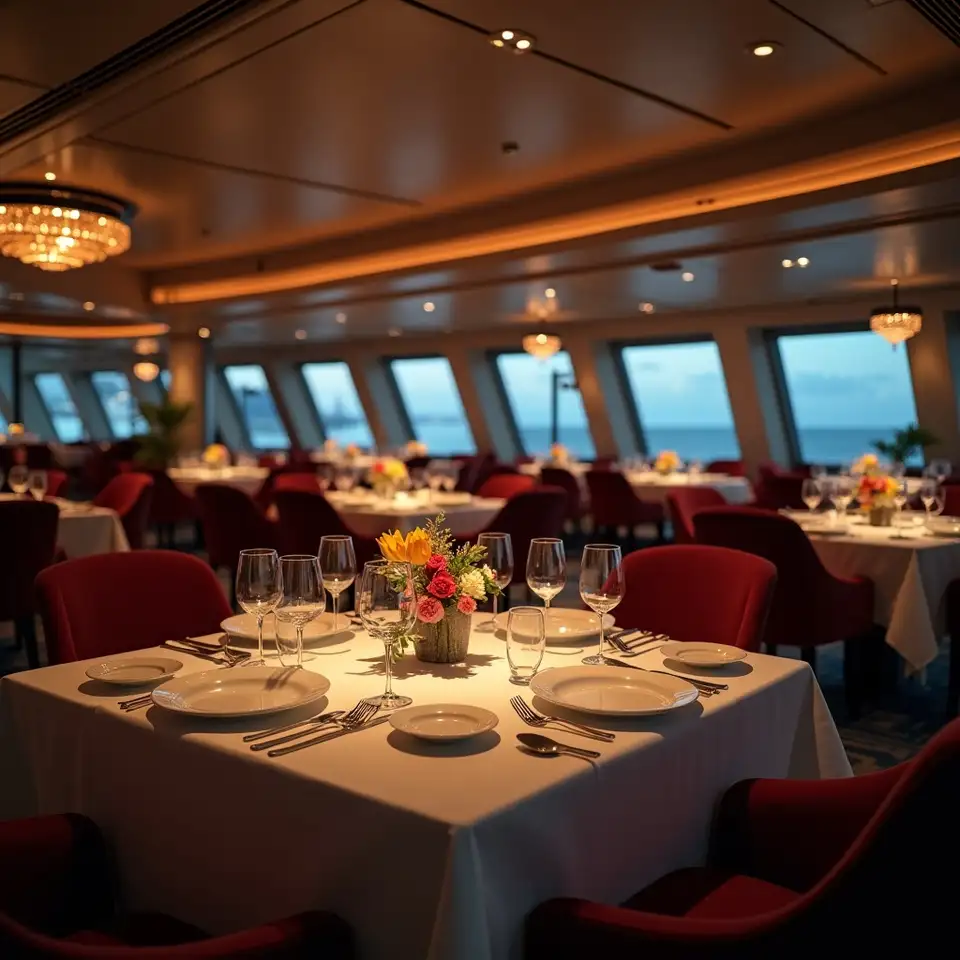
Dining Options and Meal Arrangements Onboard: Most cruise ships include a main dining room and buffet venue within the standard fare. Specialty restaurants typically carry an additional charge per reservation. Knowing which dining options are included in the booked fare prevents unexpected costs during the voyage.
-
Shore Excursion Planning at Each Port of Call: Shore excursions are available through the shipping line or independently arranged by the traveller. Booking through the ship provides a guarantee of return transport before departure. Independent arrangements may offer more flexibility but carry a greater responsibility for time management.
-
Documentation for Malaysian Passport Holders: Malaysian passport holders travelling on international cruise routes must verify visa requirements for each port of call in advance. Some destinations permit visa-free entry; others require pre-arranged visas or electronic travel authorisations. This verification step is essential before any booking is confirmed.
-
Onboard Spending and Cashless Account Management: Most cruise ships operate a cashless onboard account system. Charges for specialty dining, spa services, and retail purchases are accumulated throughout the voyage and settled at the end of the trip. Reviewing the account terms before boarding helps travellers manage their spending across the voyage duration.
Planning Goals for Your Cruise
Every cruise voyage involves a set of planning decisions that directly affect the quality of the travel experience. The first objective is to identify an itinerary that matches both the traveller's destination preferences and their available travel window. This means reviewing departure dates, port schedules, and voyage durations with equal attention. The second objective is to confirm that all documentation requirements are satisfied before the booking is finalised. For Malaysian passport holders, this includes checking visa eligibility for each port of call on the selected route. Some ports require advance visa applications with processing times that must be factored into the planning timeline. The third objective is to review the specific terms of the booking, including deposit deadlines, balance payment dates, and the conditions that apply to modifications or cancellations. Understanding these terms before confirming a reservation ensures that travellers are fully aware of their financial commitments. Our team supports each of these objectives through a structured consultation process that addresses every relevant variable in a logical sequence. We provide factual information rather than generalist recommendations, so that every decision made during the planning stage is based on accurate, current detail.
Why a Structured Approach to Cruise Planning Matters
Cruise ship travel involves a higher degree of advance planning than most other
holiday formats. Once a vessel departs, the itinerary is fixed and cannot be
adjusted to accommodate travellers who have encountered delays or documentation
issues. This means that errors identified after departure are significantly more
difficult to resolve than those caught during the planning stage. A structured
planning process addresses this risk by reviewing each booking variable in a
defined order before any reservation is confirmed. Port documentation, cabin
specifications, dining arrangements, and embarkation procedures are all reviewed
as part of a single, coherent process rather than addressed in isolation. This
approach reduces the likelihood of omissions that would otherwise surface during
the voyage itself.
Cruise Destinations
Cruise destinations accessible from Malaysian departure ports span a range of regional and international routes. Southeast Asian itineraries are among the most frequently selected by Malaysian travellers, offering a combination of island destinations, coastal cities, and cultural ports within a compact voyage duration. These routes typically depart from regional hubs and cover destinations across the region within a window of five to fourteen nights. Beyond the immediate region, longer itineraries extend to destinations in the Indian Ocean, the Middle East, and beyond. These routes introduce additional logistical considerations, including multi-country visa requirements and extended sea passages between ports. Reviewing the documentation requirements for each port of call on a longer itinerary is a necessary step before any booking is confirmed. Seasonal factors influence the availability and quality of specific routes. Ocean weather patterns affect sea conditions on certain routes during particular months of the year. Shipping lines adjust their published itineraries in response to seasonal variables, which means the availability of a given route can change from one year to the next. Checking the current schedule for a preferred destination is always recommended before beginning the booking process. Our team maintains current information on available routes and provides factual guidance on the specific requirements and conditions that apply to each itinerary. This includes documentation requirements for Malaysian passport holders, port logistics, and the terms that apply to each booking. The goal is to ensure that every voyage confirmed through our process is a well-researched match for the traveller's individual requirements and travel window.
Cruise Travel Planning Guide
This section outlines the key considerations that apply to cruise ship travel from Malaysia. Each topic covers a specific aspect of the planning process, from itinerary selection through to final booking confirmation.
Topics Covered in This Cruise Travel Planning Overview
- How to Read a Cruise Itinerary: A published cruise itinerary lists the ports of call, sea days, and scheduled arrival and departure times for each stop. Reading this document accurately requires attention to time zones, tender port arrangements, and the distinction between included and optional shore activities.
- Comparing Vessel Classes Before Booking: Vessel class affects cabin availability, onboard facility range, and the ports accessible on a given route. Comparing vessel specifications across available options before selecting an itinerary is a practical step that prevents post-booking adjustments based on unmet expectations.
- Documentation Requirements for Regional Routes: Regional cruise routes departing from Malaysia cover multiple countries within a single voyage. Each destination may carry different entry requirements for Malaysian passport holders. Verifying these requirements before booking confirmation is a necessary part of the planning process.
- Understanding Cruise Booking Terms and Conditions: Cruise bookings are governed by specific terms covering deposit schedules, balance payment deadlines, and the conditions applicable to modifications or cancellations. Reviewing these terms in full before confirming a reservation ensures complete clarity on financial commitments.
- Evaluating Onboard Facilities for Your Voyage: Onboard facilities vary by vessel and directly affect the day-to-day experience of the voyage. Dining venue types, recreational areas, spa access, and entertainment formats should all be reviewed against the traveller's expectations before a cabin category and vessel are selected.
Planning Checklist for Cruise Travellers
A complete cruise planning checklist covers itinerary review, documentation
verification, cabin category selection, and a thorough reading of the booking terms.
Completing each item in sequence before confirming a reservation reduces the risk of
avoidable issues arising during the voyage.
Why Detail Matters in Cruise Voyage Planning
Cruise ship travel is more tightly structured than most other holiday formats. Departure times are fixed, documentation requirements are non-negotiable, and post-departure adjustments are rarely possible. Thorough pre-booking research is the most effective tool available to travellers seeking a smooth and well-matched voyage experience.
Cruise Ship Travel Visual Reference Guide

Southeast Asian Cruise Routes
Regional routes departing from Malaysian ports connect travellers to island
destinations, coastal cities, and cultural ports across Southeast Asia. These
itineraries range from short weekend voyages to extended two-week journeys.

Modern Cruise Ship Facilities

Cruise Cabin Interior Options
Cabin categories range from interior rooms to balcony suites, each with a
distinct set of included amenities. Understanding the differences between cabin
types before booking helps travellers select the option that best fits their
needs.

Port of Call Shore Activities
Each port of call on a cruise itinerary offers a defined window for shore-based exploration. Activities range from guided cultural tours to independent visits to local markets and coastal landmarks accessible from the pier.
Cruise Ship Dining Venues

Cruise Embarkation at Regional Ports
Embarkation at a regional cruise terminal follows a structured check-in process.
Travellers present documentation, receive their cabin key card, and board the
vessel within a defined embarkation window before the scheduled departure time.